
About WGEI
About WGEI
Who We Are
The West Groves Empowerment Initiative (WGEI) is an agroecology systems organisation working to restore degraded landscapes, strengthen indigenous food systems, and build climate-resilient rural economies across Southwest Nigeria.
We operate at the intersection of agriculture, data systems, research, and community development, working with farmers, research institutions, and local stakeholders to design and implement integrated agroecology systems.
Our work goes beyond project delivery — we build scalable agricultural systems that connect land, farmers, knowledge, and markets.
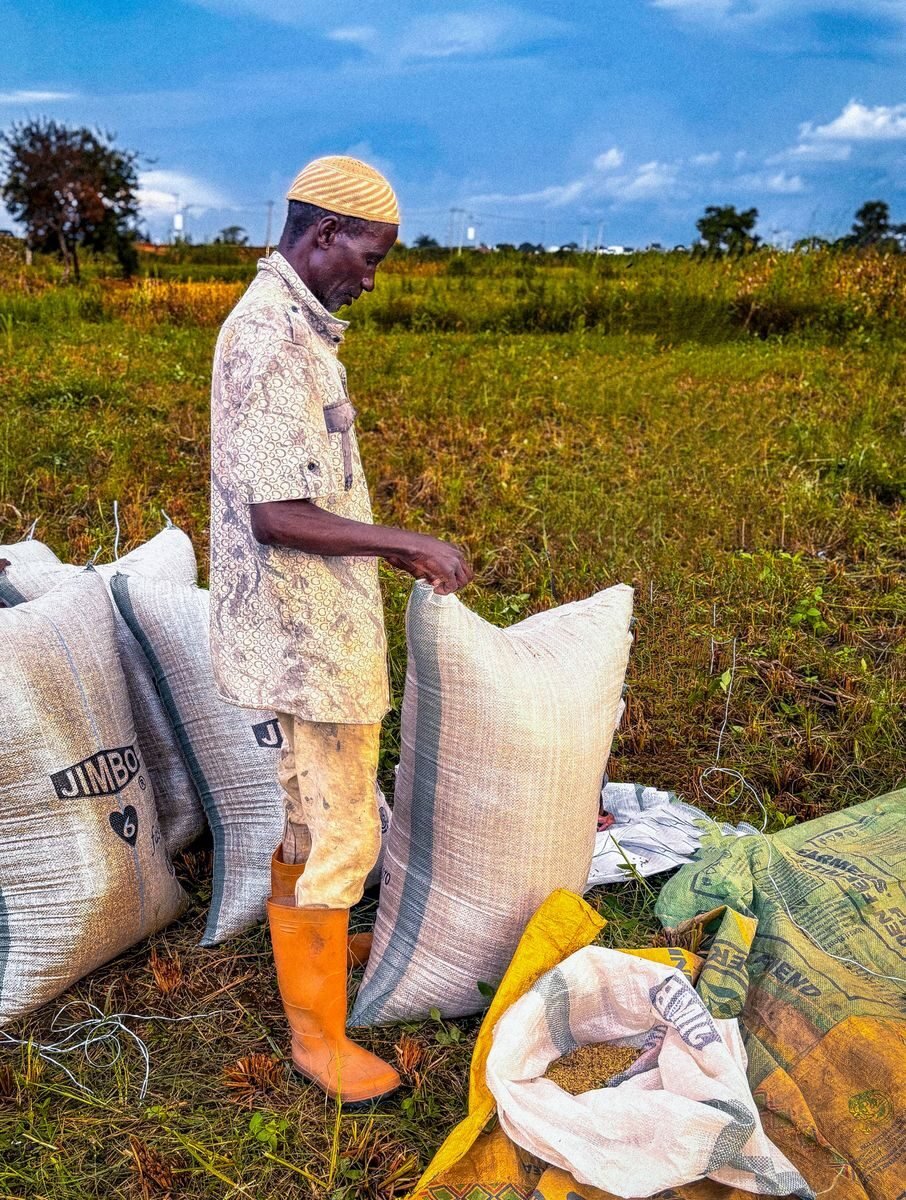
Our Systems Model
WGEI operates as an integrated agroecology system composed of five interconnected layers:
How WGEI Works
1. Agroecology Hub System
Community-based hubs that serve as centres for training, demonstration, and implementation of sustainable farming practices.
2. Seed & Germplasm System
A structured system for conserving, producing, and distributing indigenous and improved planting materials.
3. Farmer Data & Intelligence System
A field-based data system that tracks farmer participation, adoption behaviour, and farm performance to support evidence-based decision-making.
4. Farmer Training & Extension System
Structured capacity-building programmes delivered through field officers and hub networks.
5. Market & Livelihood Integration System
Systems that connect farmers to structured markets, aggregation, and value chain opportunities.
The Goal
Our Mission
The Outlook
Our Vision

One Integrated Model
How These Systems Work Together
These five systems are not separate programmes — they operate as a single integrated model where:
- research informs field practice
- hubs implement interventions
- farmers generate data
- data informs decision-making
- markets sustain production systems
This creates a continuous feedback loop for adaptive agroecology transformation.
Our Difference
What Makes WGEI Different
Unlike conventional development organisations, WGEI operates as a systems-builder, not a project implementer.
We focus on:
- long-term ecological restoration rather than short-term interventions
- structured agroecology systems rather than standalone projects
- data-driven decision-making rather than assumption-based programming
- integration of indigenous knowledge and scientific research